The Lesser of Two Evils
The pandemic has exacerbated pre-existing forms of domestic and intimate partner violence in Ethiopia, writes Zemdena Abebe, founder of Africolors.



The pandemic has exacerbated pre-existing forms of domestic and intimate partner violence in Ethiopia, writes Zemdena Abebe, founder of Africolors.
Suerie Moon, Director of Research at the Global Health Centre, Graduate Institute of International and Development Studies, Geneva, discusses the actors and interests that will determine access to the COVID-19 vaccine.
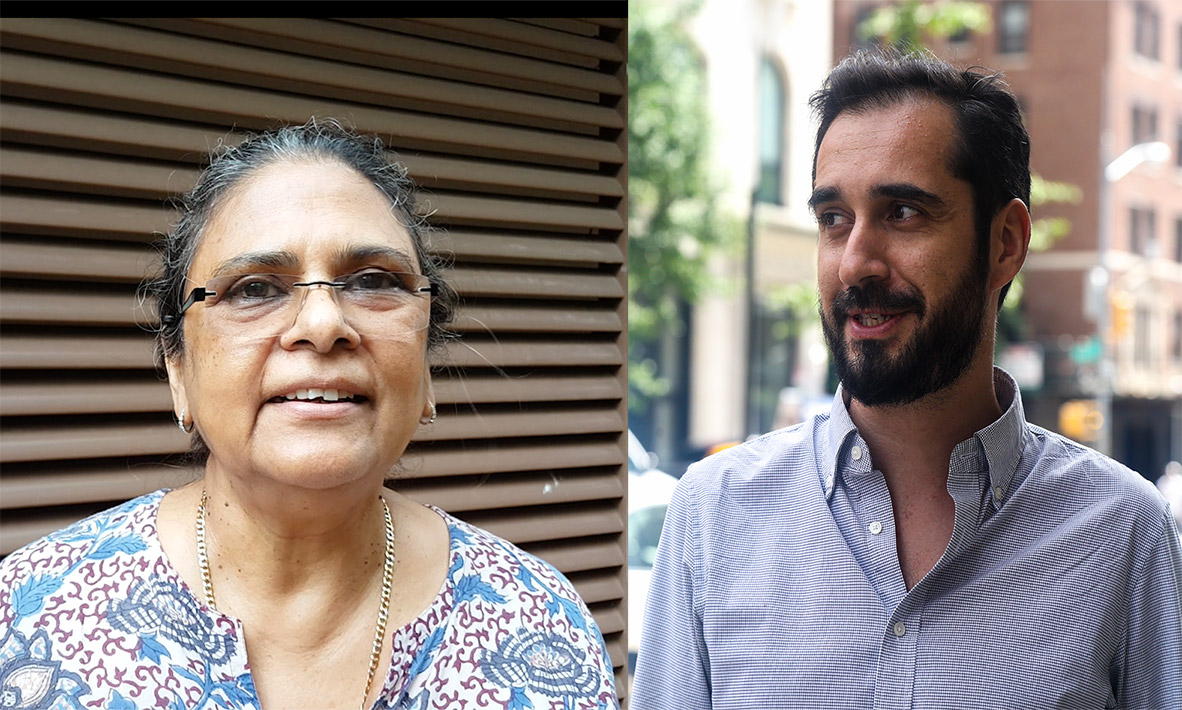
COVID-19 has underlined the pervasive yet forgotten structural inequities found in cities, write Achilles Kallergis, The New School, and Sheela Patel, Society for the Promotion of Area Resource Centres (SPARC) India.
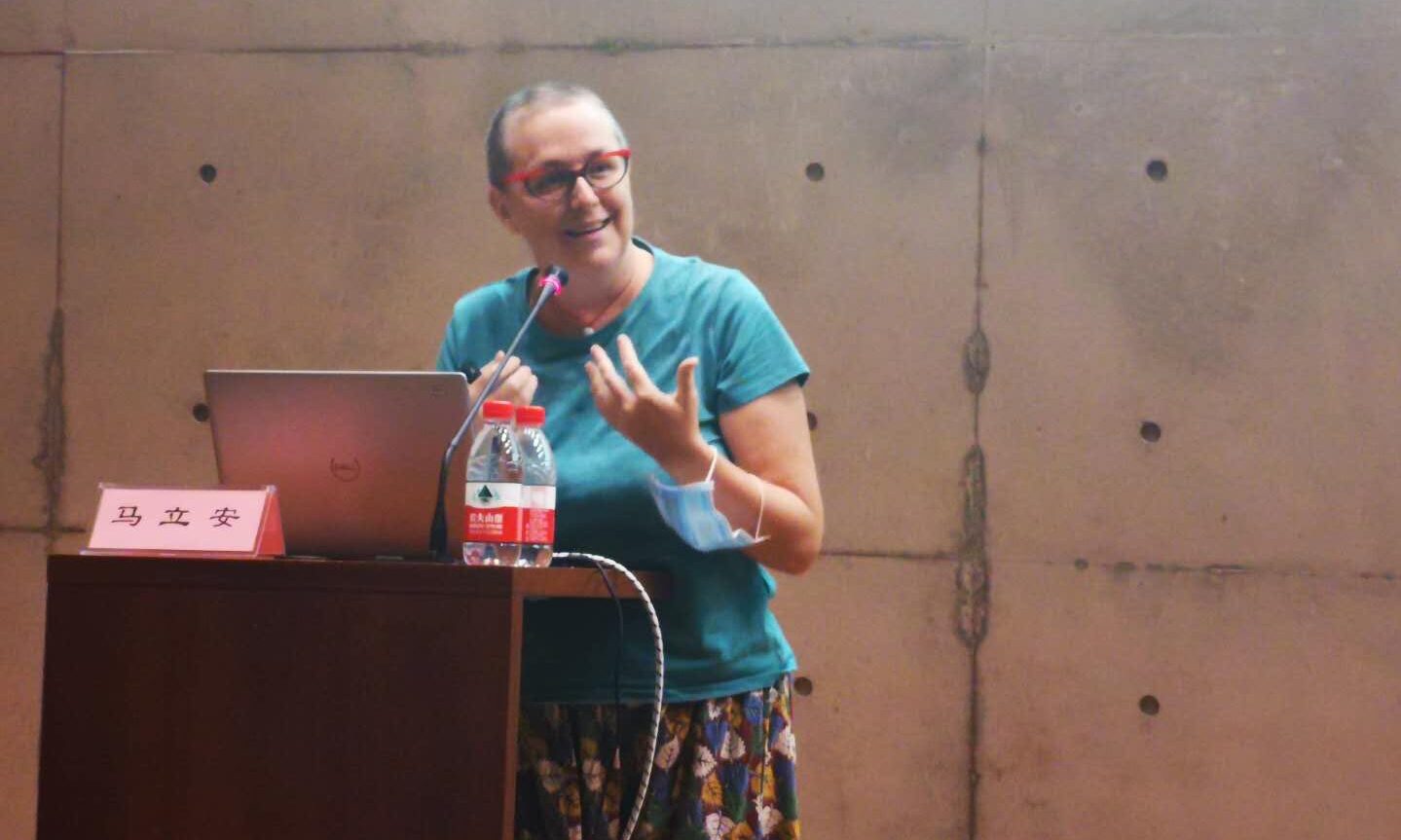
Artist-ethnographer Mary Ann O’Donnell's photo-diary of the first six months of the pandemic in Shenzhen, China.
Andrew Lakoff, Professor of Sociology and Communication at the University of Southern California, on the origins of the pandemic preparedness regime, and why it has proven inadequate in responding to the challenge of COVID-19
Dinesh Mohan, Honorary Professor, Indian Institute of Technology Delhi, on how principles of road safety help us understand the human cost of the harsh lockdown in India.
Alexander Aleinikoff, Director, Zolberg Institute on Migration and Mobility at The New School, on a new category of forced migrants: the pandemically displaced.
A flawed understanding of the concept of “public good” hampers the fight for equitable access to the upcoming COVID-19 vaccine.
Mukta Naik, a Fellow at the Centre for Policy Research, India, examines the migrant crisis in Gurugram and the civil society responses to it.